Adopt an Animal
The Busch Wildlife Sanctuary's Adopt-An-Animal Program offers a unique way for supporters to contribute to the care of the Sanctuary's resident animal ambassadors through symbolic adoptions. This program enables caring individuals to "adopt" an animal by making a donation, which directly supports the well-being of the residents housed at the sanctuary. Participants receive a certificate of adoption and educational materials about their chosen animal, making it a meaningful gift and a chance to help the Sanctuary raise essential funds for animal care, rehabilitation, and conservation efforts.
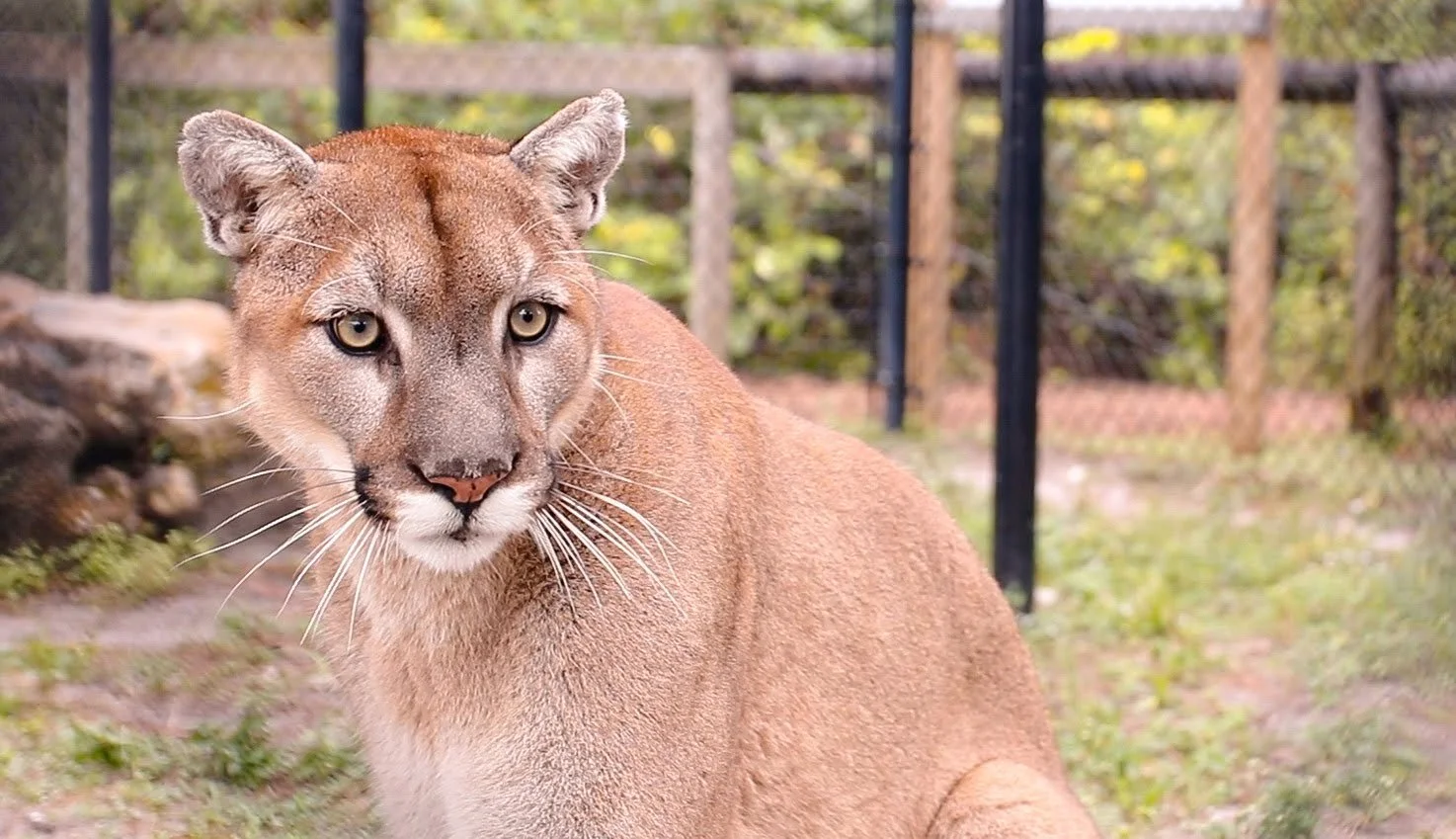
Tahmahlah the Cougar
-
Tahmahlah is here at Busch Wildlife Sanctuary after he was orphaned in a California forest fire in September 2015 at just 4 months old. He was brought to us from another facility about a year later because we had more space and could provide a better quality of life.
Tahmahlah suffered burns to his paw pads in the wildfire, which led to permanent nerve damage, and burns to his face that affected his eyesight. Because of these injuries, Tahmahlah wouldn’t be able to navigate himself in the wild and was deemed non-releasable.
Though technically a California Cougar, Tahmahlah represents the Florida Panther — the most endangered cat in North America with less than 200 left in the wild. Panthers, cougars, pumas, and mountain lions all belong to the same family but differ in physical characteristics based on their habitats. The Florida Panther, for example, is smaller and has darker coloration throughout its body compared to the California Cougar.

Kiona the Black Bear
-
Tehya and her sister Kiona were orphaned as cubs. Mama Bear was known for going into neighborhoods and digging in the trash, which is dangerous for humans and bears. The Florida Fish and Wildlife Conservation Commission attempted to relocate the bear family several times, but Mama Bear kept returning to residential areas, was deemed a “nuisance bear” and humanely euthanized.
The cubs learned this dumpster diving behavior and were deemed non-releasable. Tehya & Kiona, now about 18 years old, have been at Busch Wildlife Sanctuary ever since!
The Florida Black Bear is the only species of bear found in the state. There is an estimated population of about 4,000 in the wild. One thing to always remember: a FED bear is a DEAD bear! Once a bear realizes that humans can be a food source, they are considered a nuisance animal and have to be removed or euthanized.
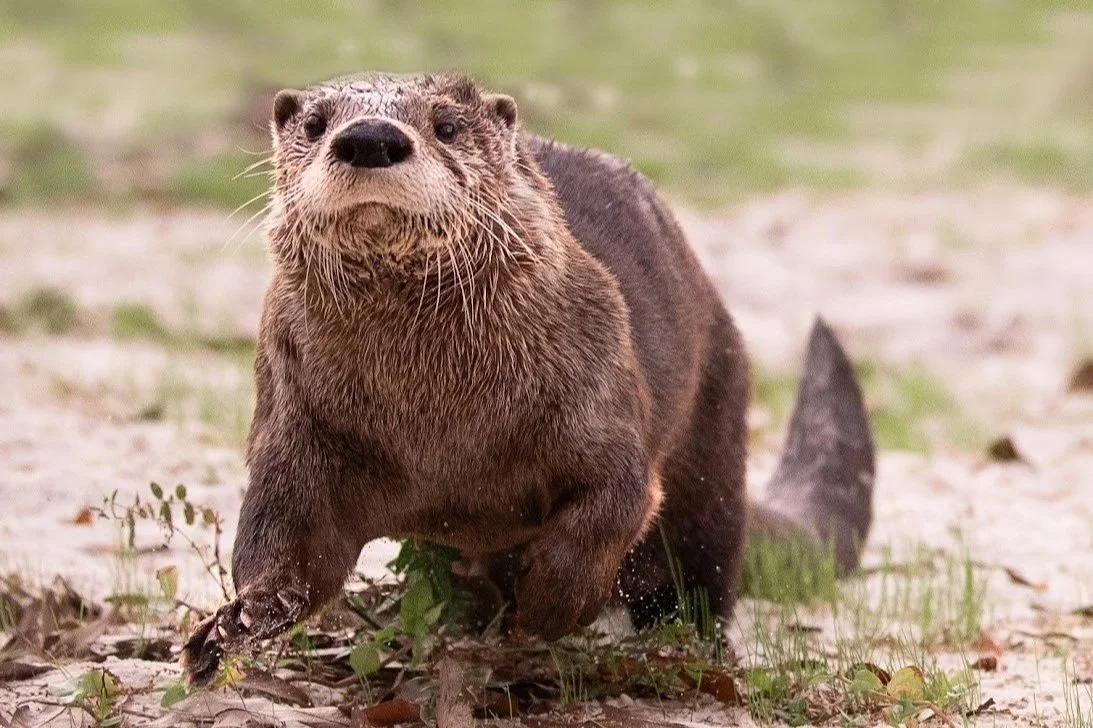
Charlie the River Otter
-
Charlie is one of our North American River Otters at Busch Wildlife Sanctuary. Charlie was first brought to us as an orphan, and we later discovered he is blind in one eye. It’s most likely that, because of this birth defect, Charlie was unable to keep up with his mom and siblings in the wild and was orphaned.
It’s easy to spot Charlie in his habitat. Because he’s blind, he also has difficulty grooming himself on one side. His fur becomes matted and gives the illusion that he has spots. His keepers shave off the matted fur periodically to keep his skin and coat healthy. Visitors often find Charlie lying on his back and sucking his thumb, too!
The North American River Otter is incredibly important to our ecosystem. River otters are indicator species. When pollutants enter their habitat, river otters are the first to show signs of contaminants in the water. A strong and active river otter population indicates a healthy habitat for otters, humans, and other species!
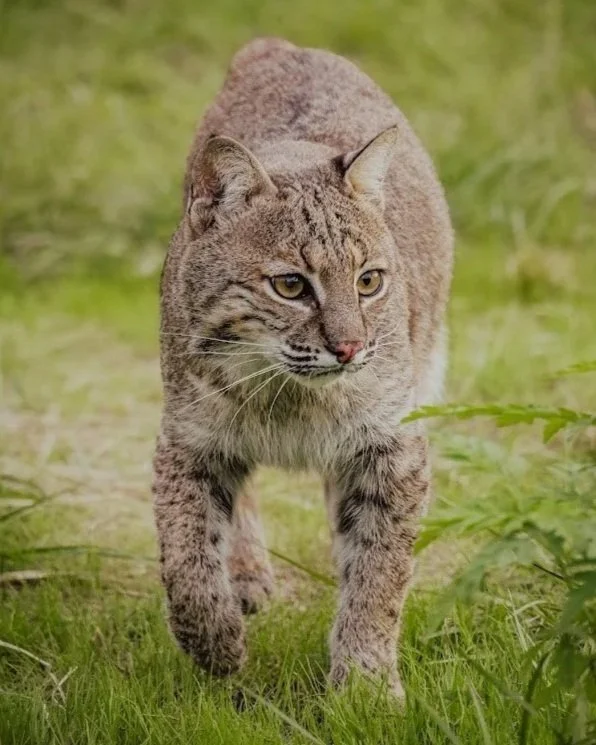
Lucy the Bobcat
-
Lucy is our smallest and youngest Florida Bobcat at Busch Wildlife Sanctuary! Now about 6 years old, Lucy was first brought to us as an orphan. We noticed she was smaller than usual and suspect she may have been orphaned because she couldn’t keep up with her mom or siblings in the wild. Later, we discovered that Lucy has metabolic bone disease which is why she’s so tiny!
Lucy is easy to spot at our Sanctuary because of how much smaller she is than the other bobcats. Being the youngest, Lucy is also known for being the feistiest.
Though the bobcat may look like a domestic cat, it is definitely a wild animal. The Florida Bobcat is named for its short “bobbed” tail, which is an adaption that helps in catching prey in open fields. Bobcats typically live in solitude, only associating with other bobcats to mate. These cats have excellent eyesight and hearing to hunt their food.
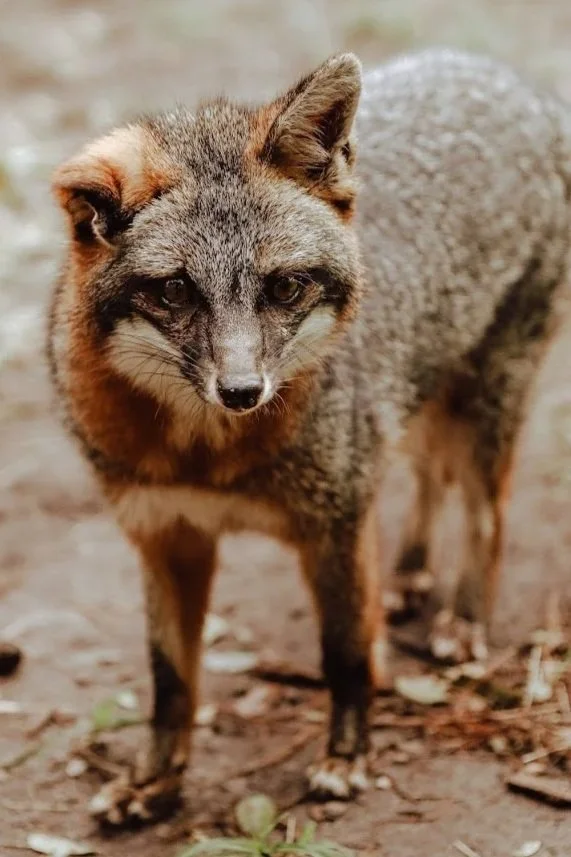
Grayson the Gray Fox
-
Grayson is the only Gray Fox at Busch Wildlife Sanctuary. Grayson was orphaned, kept as a pet, and then surrendered to the Sanctuary. She is too reliant on humans to be released into the wild.
While living at the Sanctuary, Grayson developed a hematoma on her ear and needed surgery to repair it. The healing process and scar tissue gave her ear that little flip downwards.
Florida has two kinds of foxes: The Red Fox and the Gray Fox. All of the foxes at Busch Wildlife Sanctuary were unfortunately surrendered pets. People may think foxes can be household pets because they are canines, but foxes are very different from dogs. Foxes are wild animals that forage, hunt, and catch their food. Foxes can also carry diseases that can be harmful to humans, including roundworm, mange, leptospirosis, and rabies.
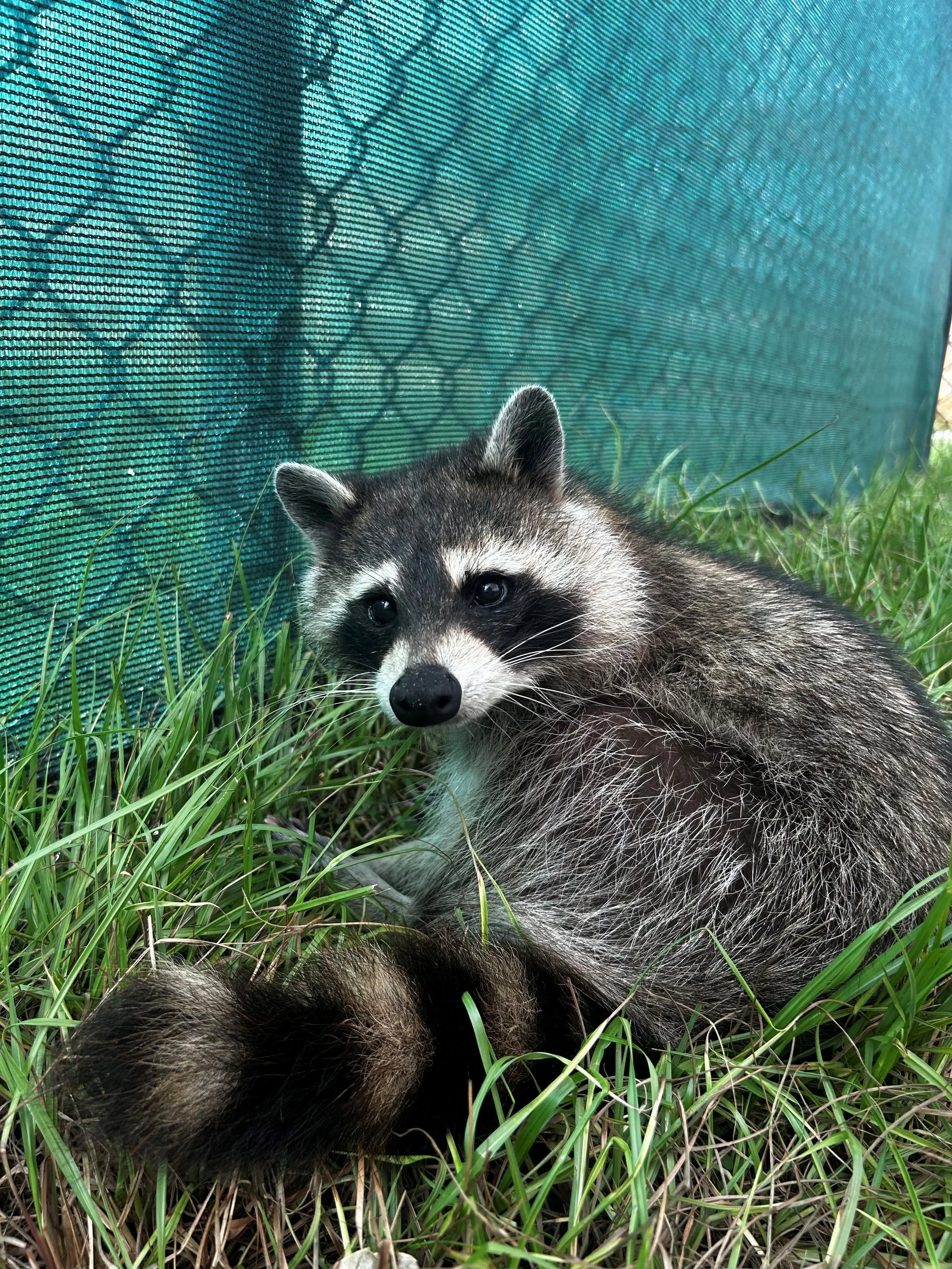
Timmy the Raccoon
-
Timmy is the smaller of the two Raccoons at Busch Wildlife Sanctuary. Timmy was orphaned and brought to our rehabilitation center. Our staff discovered she is cortically blind, meaning her eyes work well but her brain doesn’t process vision properly, and she was deemed non-releasable.
Raccoons, often referred to as “Trash Pandas,” are one of the most common mammals in the nation. While many believe raccoons are nocturnal, they are actually crepuscular, or most active during dawn or dusk.
Raccoons do not make good household pets. Raccoons can carry rabies and other diseases that can be fatal to humans. Raccoons are smart, active, and curious animals that require plenty of mental and physical stimulation.
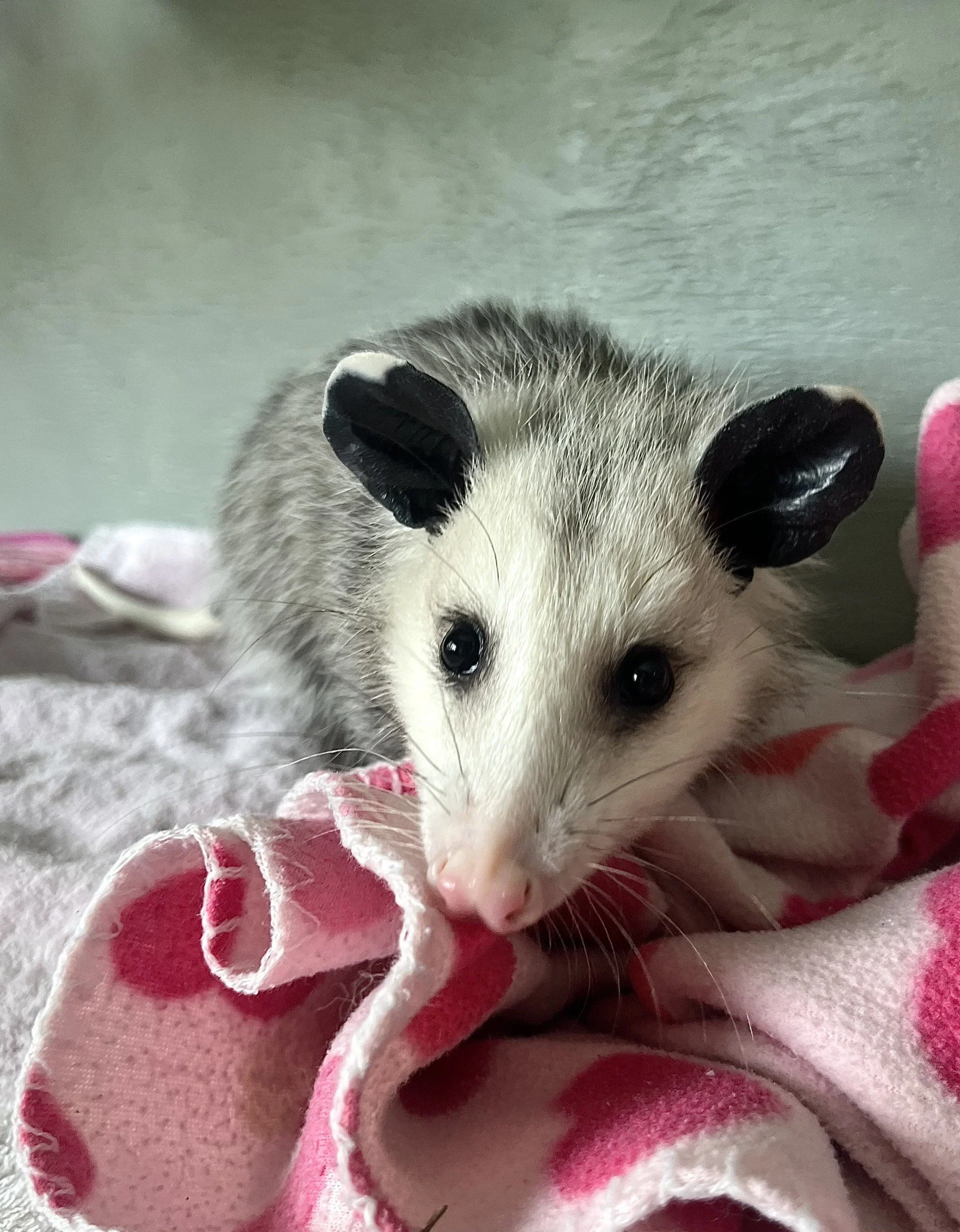
Ophelia the Virginia Opossum
-
Ophelia is one of the Virginia Opossum ambassadors at Busch Wildlife Sanctuary. Ophelia was being kept as an illegal pet and was found among dozens of other domesticated animals when law enforcement responded to a hoarding situation. She is too reliant on humans to survive in the wild.
Virginia Opossums are the only marsupials found in North America. Opossums have opposable thumbs on their back feet and a strong, prehensile tail, which helps them climb trees and latch onto branches. This species is often referred to as “nature’s garbage disposal,” because they eat anything & everything! Opossums help control populations of other pests, such and rodents, and curb diseases by eating insects, ticks, and even dead animals.
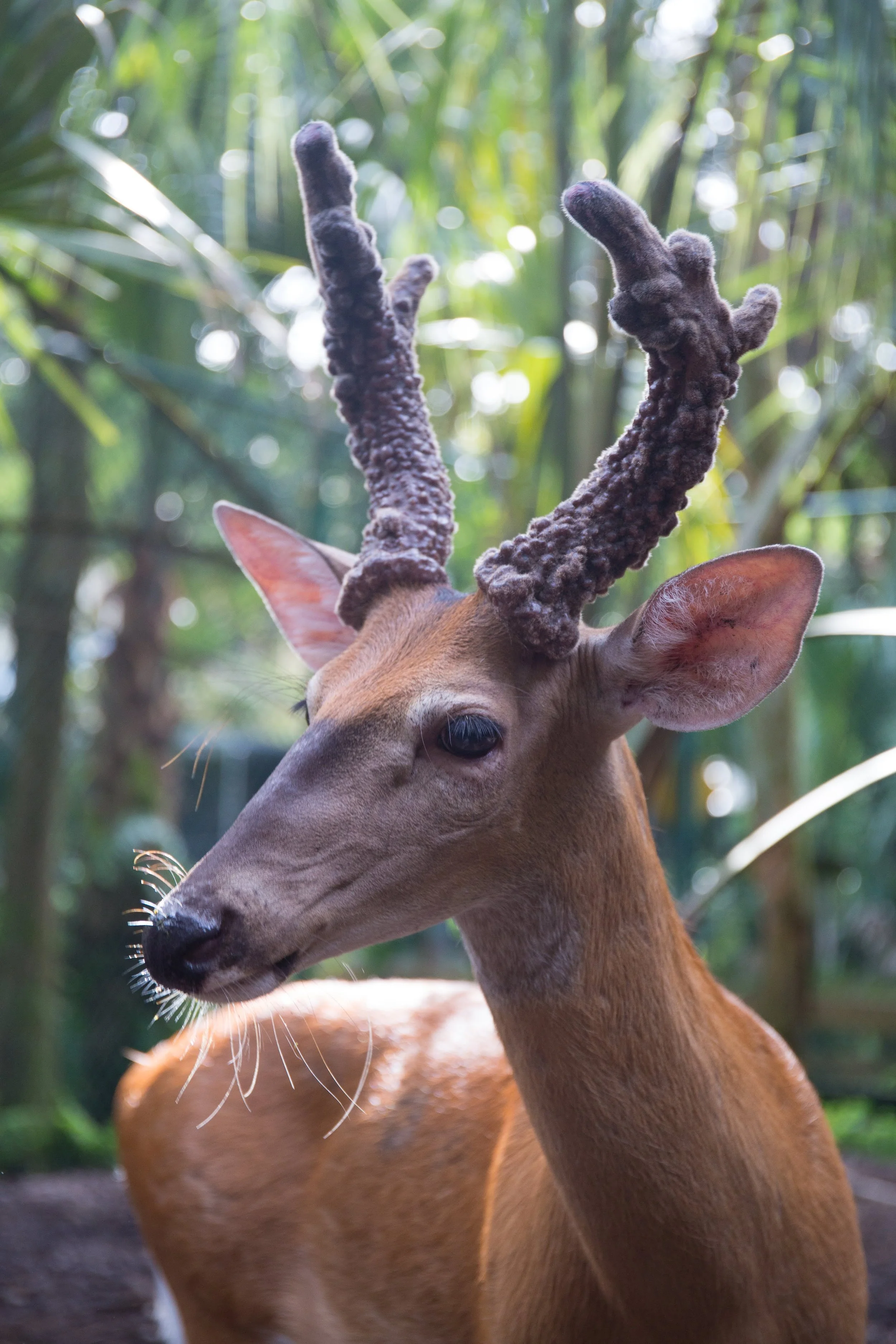
Cypress the White-tailed Deer
-
Cypress is one of the White-tailed Deer at Busch Wildlife Sanctuary. Cypress is here because he was unfortunately "deer-napped" and raised here. This happens when a person finds a baby fawn and assumes its mom has abandoned it.
Cypress also has a condition called Cactus Buck, which causes his antlers to be bumpy. This is because of a hormonal imbalance. He is unable to shed his antlers like other male deer.
A Mother Doe will hide her baby under camouflage during the day to keep it safe while she forages. This is done to avoid attracting predators to her baby’s location. Many residents see the baby fawn alone and assume it has been orphaned and needs aid. If you’re ever unsure, please call a sanctuary or wildlife organization first!
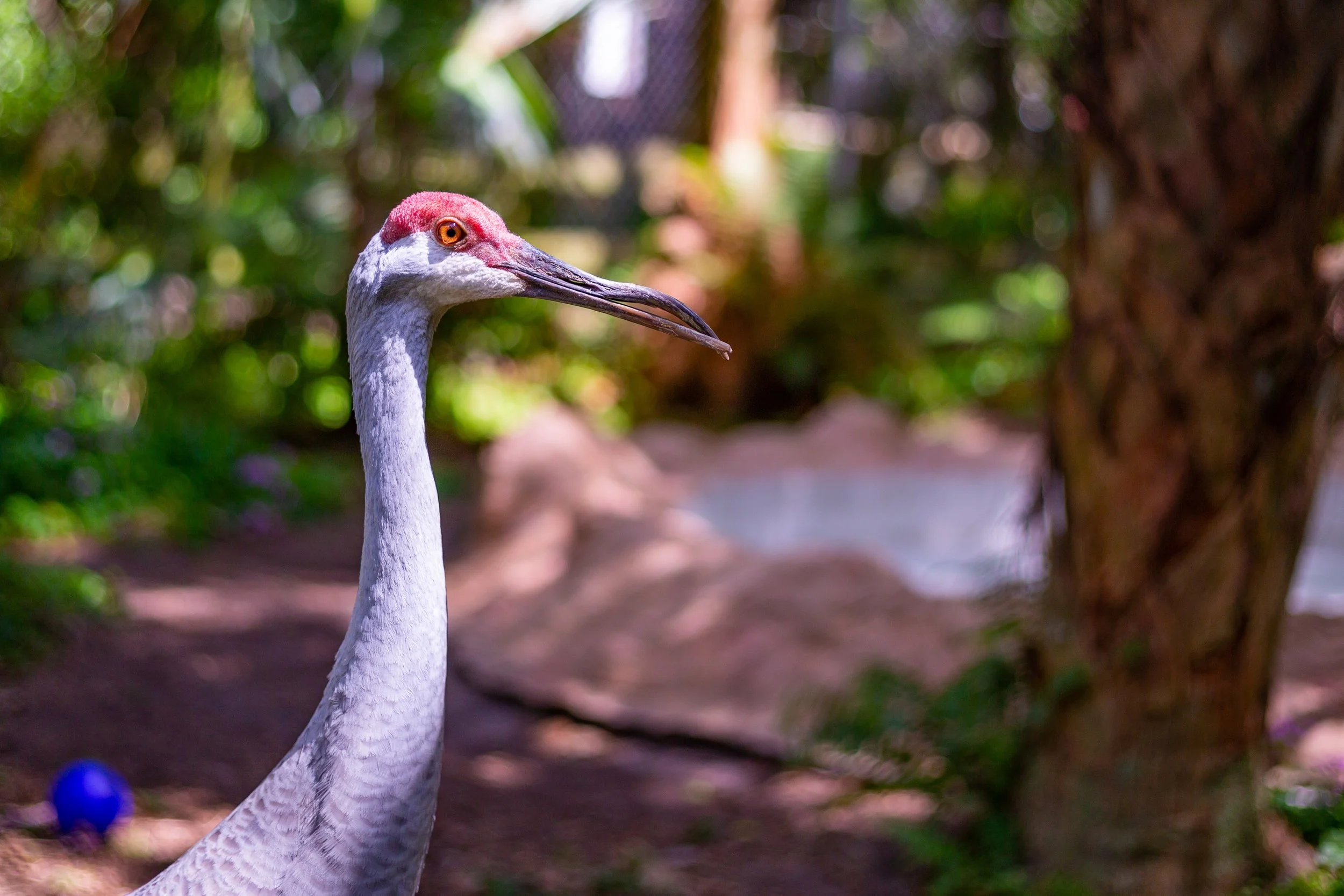
Frasier the Sandhill Crane
-
Frasier is one of the Sandhill Cranes at Busch Wildlife Sanctuary. Frasier’s parents unfortunately died after being struck by a car, leaving her orphaned. Neighborhood residents started feeding her, and she became too habituated to humans. Frasier was also sadly attacked by other Sandhill Cranes in the area, and that’s when she was brought to Busch Wildlife’s rehabilitation center. Frasier suffered a broken beak that grew back incorrectly, which would make it difficult for her to catch and eat food in the wild.
Sandhill Cranes are easy to spot. They’re large birds, reaching heights up to 4 feet tall, commonly found in urban areas such as neighborhoods, golf courses, and other open expanses. Florida Sandhill Cranes are a non-migratory species that nest in freshwater ponds and marshes. There are now fewer than 5,000 Florida Sandhill Cranes across the state, and they are listed as a state-designated threatened species.
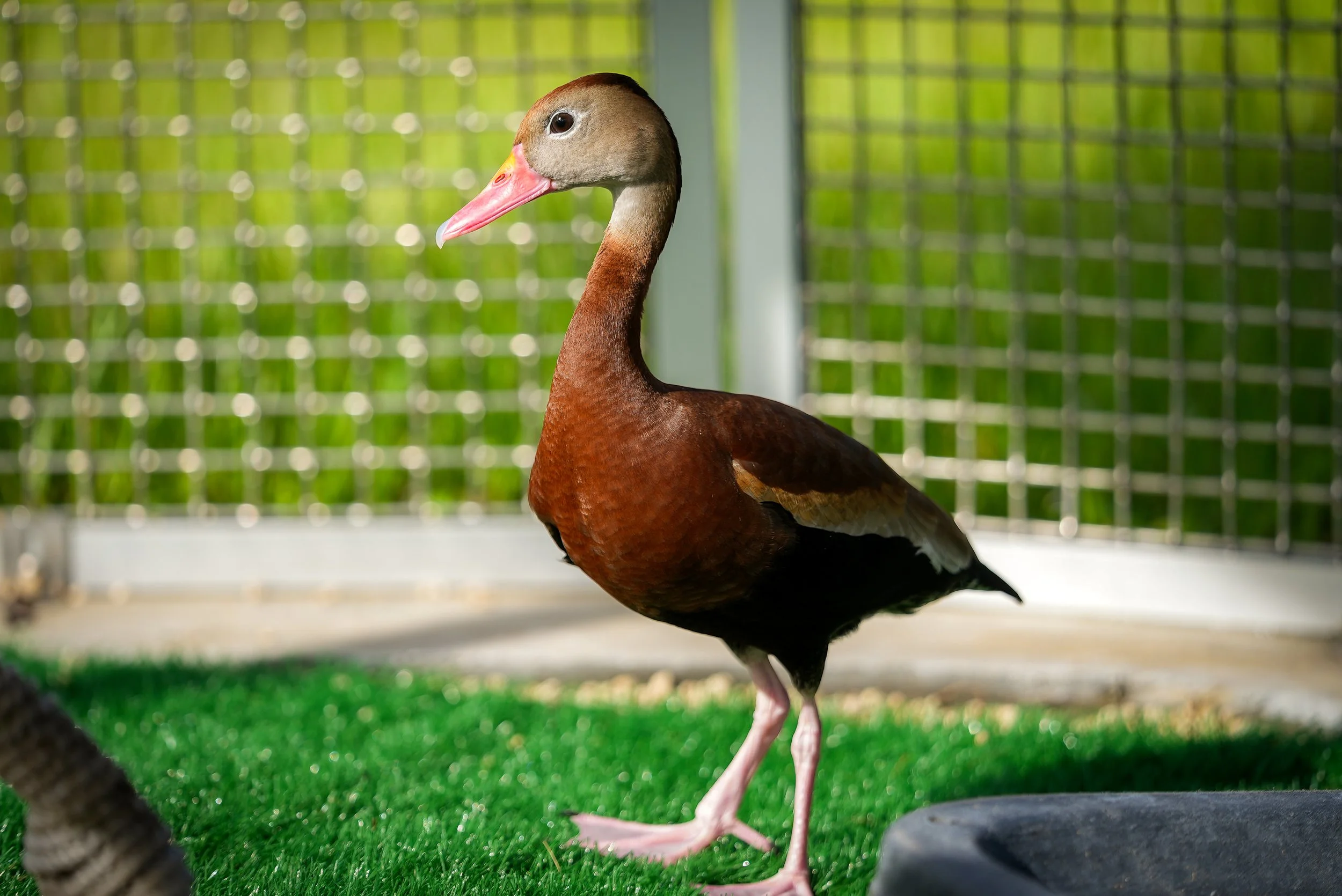
Stu the Black Bellied
Whistling Duck
-
Stu the Black-bellied Whistling Duck is one of our well-known animal ambassadors and can be heard across the Sanctuary! Stu was raised by a local resident, who did a great job caring for him, but Stu’s whistling calls became too disruptive for nearby neighbors. The woman brought Stu to Busch Wildlife Sanctuary, where our staff housed him with other ducks to “wild him up” and eventually released them all together.
It didn’t take long for Stu to find his way back to people. Stu was spotted at a garage sale, and then attending services at a local church. It was clear Stu had imprinted on humans and wouldn’t do well in the wild, so we brought him back to the Sanctuary.
Black-bellied Whistling Ducks can be seen year-round in Florida. As their name suggests, the Black-bellied Whistling Duck is a boisterous, social bird with an unmistakable call.
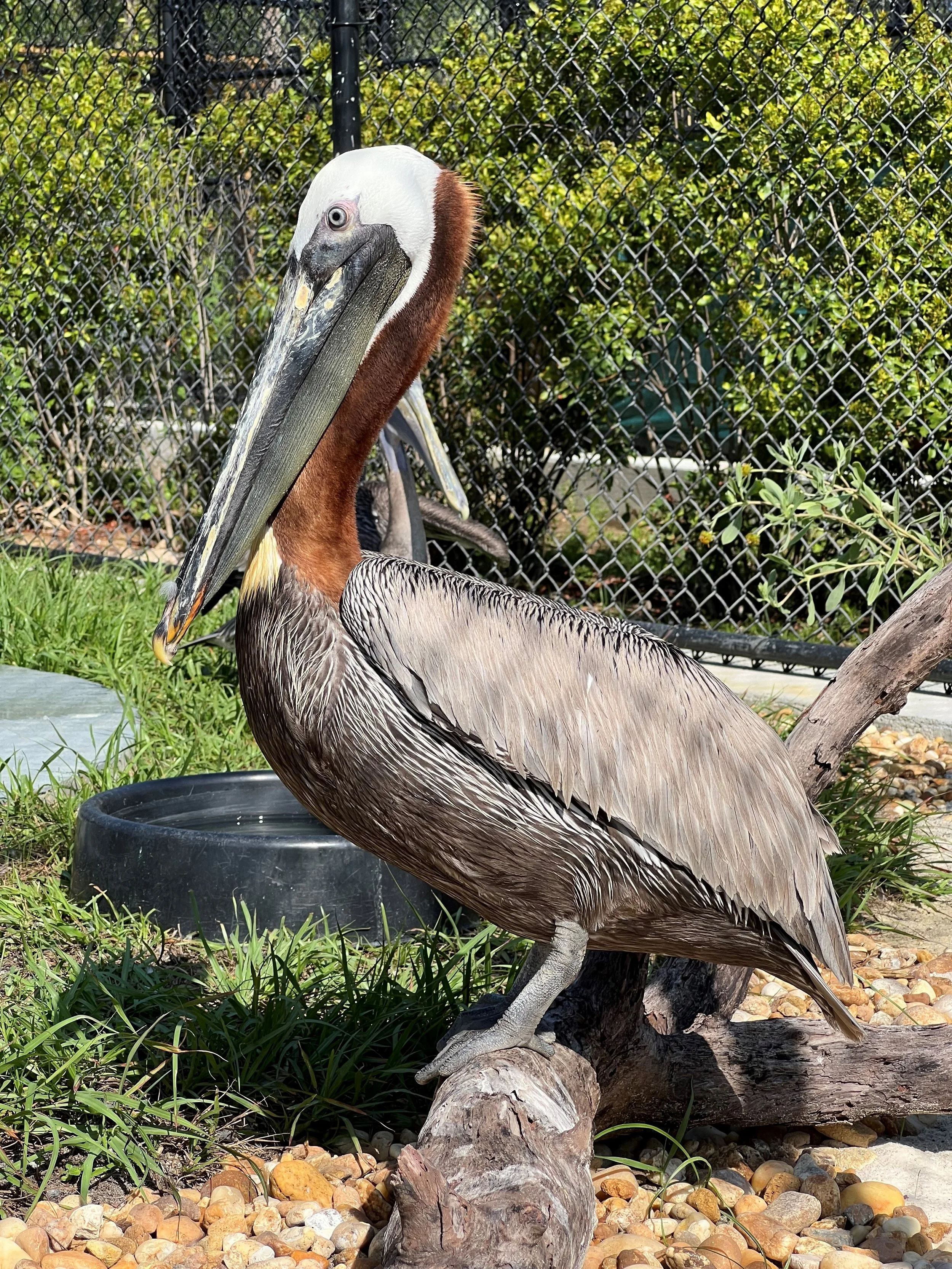
Arvy the Brown Pelican
-
Arvy is one of the Brown Pelicans in the Waterbirds habitat at Busch Wildlife Sanctuary. Arvy’s survival story made headlines nationwide when she was rescued in 2021. Arvy was found in the icy Connecticut River, likely blown off-course during migration. It was clear Arvy’s best chance at survival would be at Busch Wildlife Sanctuary, so she was flown to our rehabilitation center where she was treated for pneumonia and frostbite.
Arvy underwent multiple surgeries to treat the frostbite that resulted in her losing about 30% of both feet. Because of the severity of her injuries, Arvy was deemed non-releasable.
Brown Pelicans can be found all along Florida’s coast. The species has come a long way, once endangered in the 1960s and 1970s due to pesticide pollution. Brown Pelicans feed by plunge-diving from as high as 65 feet, using the force of impact to stun small fish before scooping them up.
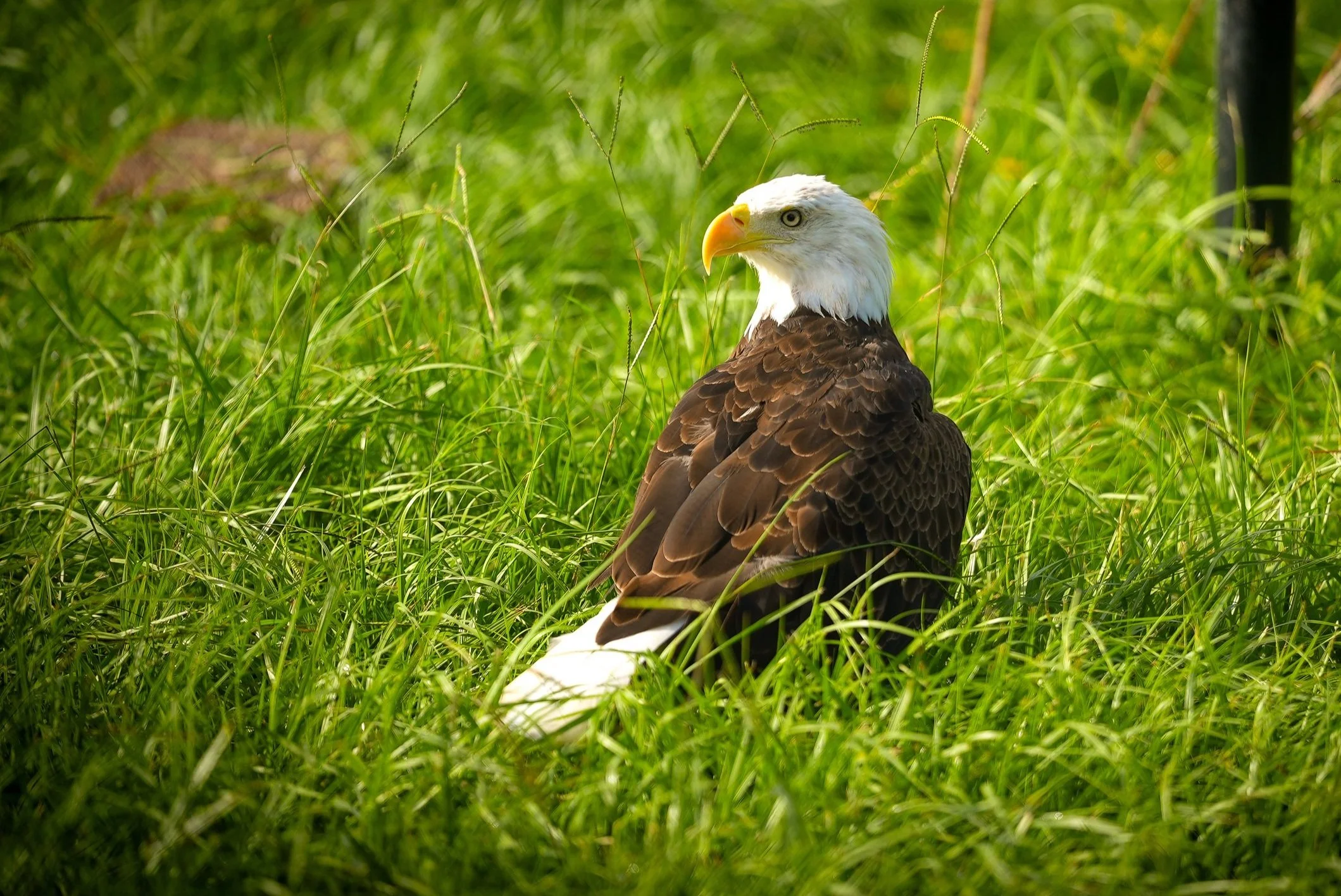
Orange the Bald Eagle
-
Orange is one of the Bald Eagles at Busch Wildlife Sanctuary. Orange was brought to our wildlife rehabilitation center where our staff discovered he suffered a permanent wing injury. He was deemed non-releasable because he could not fly well.
Though we aren’t certain how Orange was injured, human-related incidents are the biggest threat to Bald Eagles. Orange was likely hit by a car or collided with a manmade structure such as a powerline.
Bald Eagles are our national bird, and the only eagle unique to North America. These birds are found throughout most of North America, but about half the world’s eagles live in Alaska! Bald Eagles are clearly not bald, or featherless. The term “bald” refers to an old English word meaning white — an ode to the white feathers on their heads.
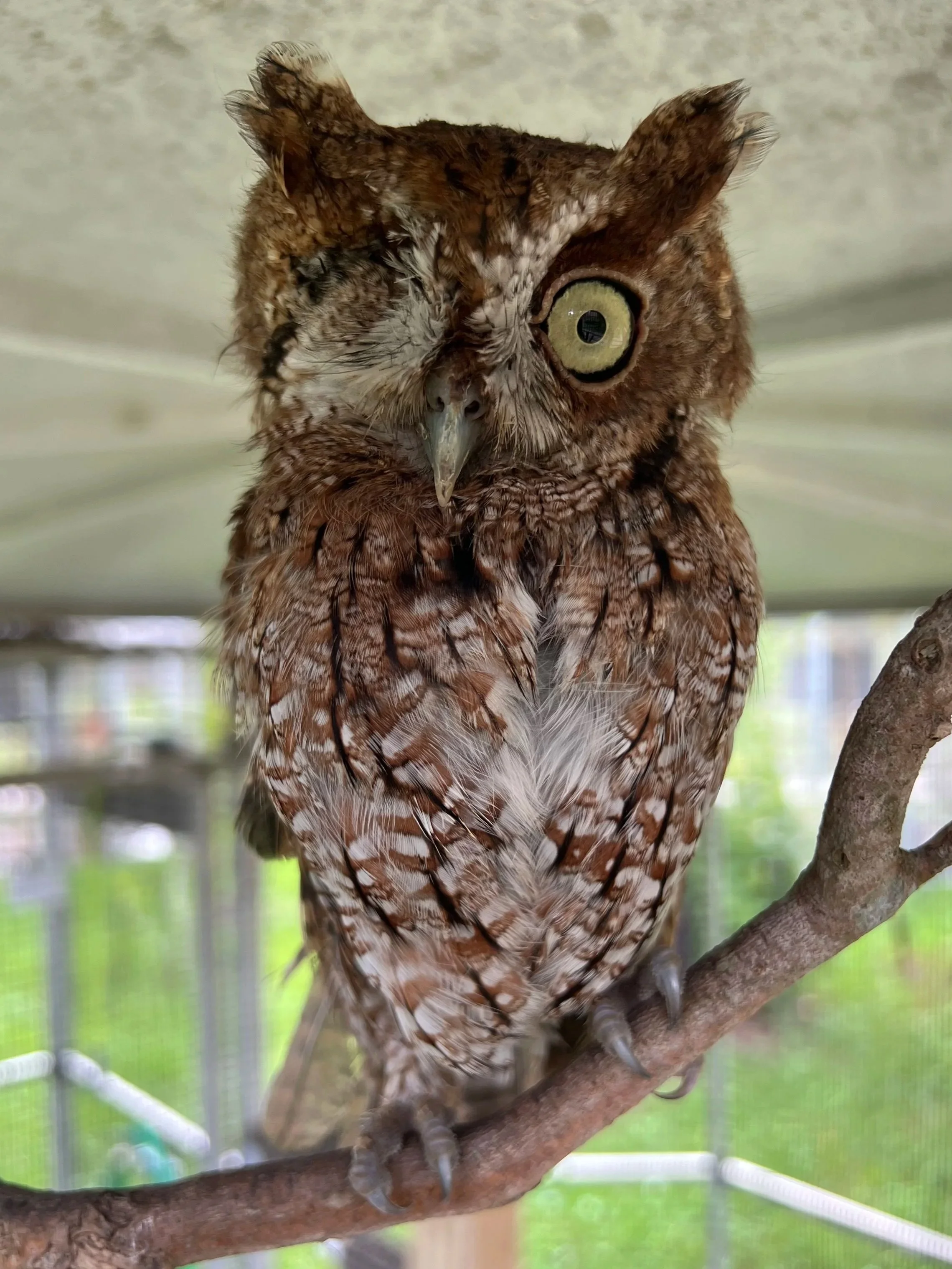
Pumpkin Spice the
Eastern Screech Owl
-
Pumpkin Spice is one of the Eastern Screech Owls at Busch Wildlife Sanctuary. Pumpkin Spice was brought into our wildlife rehabilitation center where our staff discovered she had a wing injury and impaired vision. Although we don’t know how Pumpkin Spice was wounded, these injuries are permanent and she was deemed non-releasable.
The Eastern Screech Owl is the smallest of all the native Florida owls. Most are about 6 inches tall but could reach up to 10 inches. These owls get their name from the “screech” noise they make when they’re alerted or curious about something.
These owls have small “horns” on the top of their heads that aren’t horns or ears. Instead, they are just tufts of feathers called plumicorns that they can raise to look fierce to their prey, camouflage into trees, or communicate with other owls.

Freddy the American Alligator
-
Freddy has been at Busch Wildlife Sanctuary longer than any other animal ambassador! A boy found Freddy’s egg in 1983 and hatched it prematurely, which caused her to suffer developmental and cognitive defects.
Freddy can only open her mouth about 4 inches and can’t catch her own food. She’s also smaller than other alligators her age — she should be anywhere from 8-10 ft. long but is only about 6'7.
Florida is the only place in the nation where you can find both alligators and crocodiles. There are over one million alligators in Florida, often found in freshwater lakes, ponds, and canals. Alligators are generally afraid of people as long as they are left alone. Most problems occur when people feed alligators, which is illegal. It only takes one instance for an alligator to associate people as food sources, which is dangerous for both people and the alligators

Cocoplum the Eastern Indigo Snake
-
Cocoplum is one of the Eastern Indigo Snakes at Busch Wildlife Sanctuary. Cocoplum was born in captivity with a herniated umbilical cord that required surgery. Surgery can affect a snake’s scales, which are needed for the snake’s protection, movement, and camouflage.
Cocoplum was brought to Busch Wildlife Sanctuary in 2019 and has been with us ever since. Because she has spent her life in captivity, Cocoplum is very used to human interaction and is often used in our educational programs to teach the public about her species.
The Eastern Indigo Snake is a federally threatened and protected species. The main threat facing the species is habitat destruction. In fact, Eastern Indigo Snakes lose more than 5% of their habitat annually in Florida. Our environment relies on snakes for pest control. Snakes eat those critters we’d rather not have in our house, such as ats, mice, roaches, and other snakes!
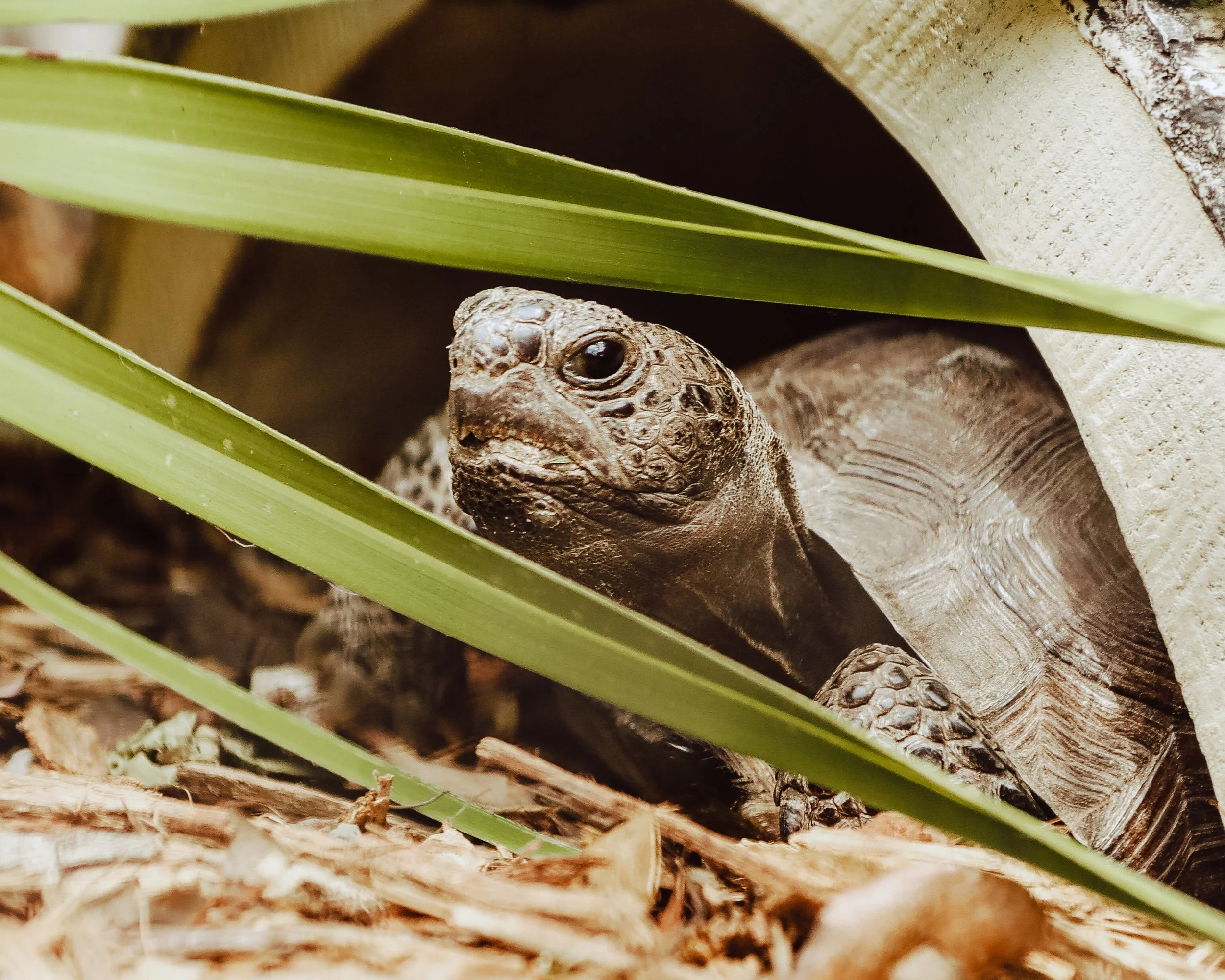
Big Lots the Gopher Tortoise
-
Big Lots is one of the Gopher Tortoises at Busch Wildlife Sanctuary and has been with us for many years. Under Florida law, Gopher Tortoises cannot be relocated without proper permitting. The Gopher Tortoises at the Sanctuary have been brought here for various reasons and it was deemed best to keep them on property.
Gopher Tortoises are found throughout Florida in mostly upland habitats. These tortoises dig deep burrows for shelter, and more than 350 other species will use these burrows, too. The Gopher Tortoise is considered a Keystone Species because its environmental impact is so significant that its survival is critical to the health of the ecosystems where it lives.
Gopher tortoises are land animals that cannot swim and are likely to drown if placed in water, even though they can be found in dunes near the ocean.